

Proprietorship
Proprietorship Registration Made Simple
Start your sole proprietorship with expert assistance for GST, Udyam, Shop & Establishment and other applicable registrations.
Start Your Business
Register your entity seamlessly with a paperless, hassle-free business incorporation platform trusted by India’s leading businesses.
Affordable & Cost-Effective
Digital & Paperless Process
Over 1 Lakh Businesses Incorporated
Expert Guidance on Business
Sole Proprietorship Registration
A sole proprietorship is one of the simplest and most popular business structures in India, owned, managed, and controlled by a single individual. With minimal compliance requirements and easy setup, it is ideal for solo entrepreneurs and small businesses looking for a cost-effective way to start their venture.
CAIndia can assist you in registering a proprietorship firm online. With our expert guidance and streamlined process, you can start your proprietorship firm registration online quickly and hassle-free.
Proprietorship
In a sole proprietorship, there is no legal distinction between the owner and the business, meaning all profits, losses, and liabilities are borne directly by the proprietor. The owner has full control over operations, decision-making, and hiring but also assumes unlimited liability.
Depending on the business type and location, registrations like GST and licenses under the Shop and Establishment Act may be required. This structure is best suited for low-risk ventures and businesses with a small team.

Advantages of Sole Proprietorship Registration
A sole proprietorship is one of the simplest and most popular business structures in India. Here are the key benefits of registering a sole proprietorship:
Easy to Start with Minimal Compliance
Complete Control & Faster Decision
Tax Benefits and Savings
Direct Customer Relationships
Flexibility in Hiring Employees
Considerations and Limitations of a Sole Proprietorship
While a sole proprietorship offers many benefits, it is important to be aware of certain limitations and regulatory requirements
Regulatory Compliance
Depending on the nature of the business, the proprietor may need specific licenses, such as an FSSAI license for food businesses or a Shop and Establishment Act license for retail operations.
Limited Access to Funding
Sole proprietorships may find it challenging to raise capital due to their informal structure and limited investor confidence, which can restrict growth opportunities.
No Guarantee of Continuity
Since the business is not a separate legal entity, it may cease to exist in the event of the owner’s death or incapacity and there’s no chance for continuity of the business.
Limited Credibility
Without formal registration or incorporation, it can be harder to establish trust with clients or secure large-scale contracts, which may limit expansion opportunities.
Checklist for Sole Proprietorship Registration in India
To register a sole proprietorship in India, ensure you complete the following steps
Choose a Business Name
Open a Business Bank Account
Register as an MSME
Obtain Required Licenses
Business GST Registration
Register for ESIC or EPFO
Eligibility Criteria for Sole Proprietorship Registration
To register a sole proprietorship in India, the applicant must meet the following requirements
Minimum Age Requirement
The applicant must be at least 18 years old.
Proprietor Citizenship
The applicant must be an Indian citizen.
Legal Capacity
The applicant should have the legal capacity to enter into contracts.
No Legal Disabilities
Should not have any legal restrictions.
No Bankruptcy or Criminal Records
The applicant must not have been declared bankrupt or convicted of a felony.
Clear Business Purpose
The purpose of the business must be clearly defined at the time of registration.
Lawful Business Activity
The business must operate legally and must not involve illegal goods or services.
Unique Business Name
The business should have a distinct name that has not been previously registered.
Sole Proprietorship Registration Procedure in India
Registering a sole proprietorship in India involves four key steps

Register Your Business Name
Choose a suitable and unique name for your sole proprietorship. Expert guidance can help ensure the name is legally acceptable and properly registered.
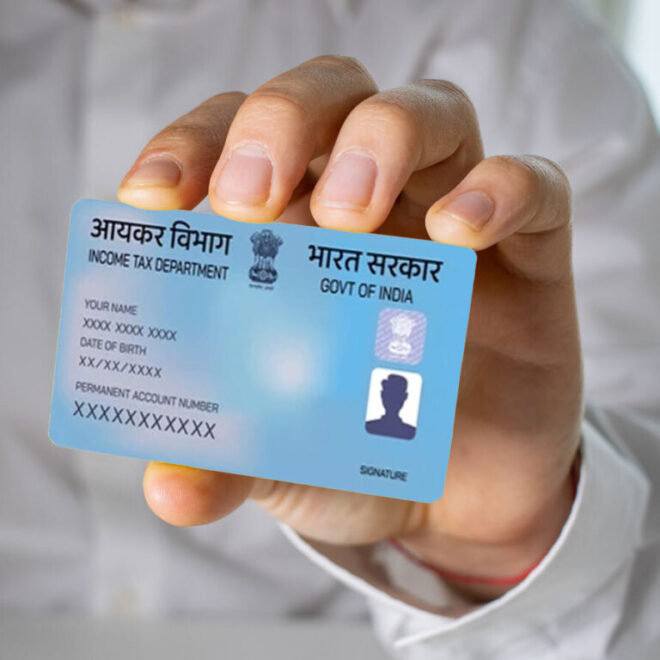
Obtain PAN, GST, and MSME Registration
Secure essential registrations, including your PAN, GST, & Udyam (MSME) certificate, to operate your business legally and access benefits for small enterprises.

Obtain Shop and Est. Act License
Submit the required documents to obtain your Shop and Establishment Act License, ensuring your business to operate smoothly and complies with local regulations.

Open a Business Current Account
After completing the registration, open a current account. Additionally GST and income tax filing as well as trademark registration services.
Documents Required for Sole Proprietorship Registration in India
To register a sole proprietorship, the following documents are typically required
1. Personal Identification Documents
- Aadhaar Card of the sole proprietor
- PAN Card or any other valid government-issued identity proof
2. Business Banking Details
- Bank account details in the name of the proprietorship
3. Business Address Proof
- Proof of the business location
- Rental agreement (if operating from a rented property)
- No Objection Certificate (NOC) from the landlord, if applicable
- Utility bill or sale deed, if the property is self-owned
4. Business Registrations
- MSME/Udyam Registration Certificate
- Shop and Establishment Act License or Trade License
- GST Registration Certificate, if applicable based on turnover
Important Notes:
- Document requirements may vary by state.
- For online registration, the PAN and Aadhaar card of the proprietor are mandatory.
- Shop and Establishment Act registration is generally required for legal operation.
- GST registration is mandatory if annual turnover exceeds ₹20 lakh (₹10 lakh for certain northeastern and special category states).
- Shop and Establishment registration can be obtained either online or offline.
Sole Proprietorship Registration Fees in India
The cost of registering a sole proprietorship may vary depending on the business location, type of registration, and licenses required. Below is an approximate fee structure:
| Component | Approximate Fees (INR) | Remarks |
| GST Registration | Free (via Government portal) | Mandatory if turnover exceeds ₹40 lakh |
| MSME (Udyam) Registration | Free | Optional, but beneficial for small businesses |
| Shop & Establishment License | ₹1,000 – ₹5,000 | Fees vary by state and business size |
| CA or Consultant Charges (if applicable) | ₹1,000 – ₹3,000 | For handling paperwork and legal formalities |
| PAN Application (if not already available) | ₹110 | One-time fee via NSDL or UTIITSL |
| Current Account Opening | Varies by bank | Usually requires maintaining a minimum balance |
Note: These are approximate fees and may vary depending on the service provider, state regulations, and specific business requirements.
Sole Proprietorship vs. Other Business Structures
Before registering your business, it’s important to understand how a sole proprietorship compares with other business structures like LLPs and partnerships
| Particulars | Sole Proprietorship | LLP (Limited Liability Partnership) | Partnership |
| Establishment | Simple and easy to register; minimal paperwork required | More complex; requires filing Articles of Incorporation with the state government | Requires filing details of all partners and the business with the Ministry of Corporate Affairs (MCA) |
| Business Name | Can operate under the owner’s personal name or a formally registered business name | Must have a registered name ending with “LLP” | Name registration is done directly while filing the partnership details |
| Liability | No legal protection; the owner has 100% personal liability for business debts | Owners enjoy limited liability protection | Partners are personally liable for business debts |
| Taxation | Business income is taxed under the owner’s personal income tax | Taxation is applied according to partnership rules among owners | Income or losses are declared on the partners’ personal income tax returns |
Register a Proprietorship Firm Online through
You can easily complete proprietorship firm registration online through CAIndia. Step-by-Step Procedure to Register a Proprietorship Firm Online through CAIndia.
Step 1: Sign Up on LEDGERS
Login to the LEDGERS platform using your registered email address. This platform allows you to track your registration progress and access accounting tools.
Step 2: Select Proprietorship Services
Navigate to the Services tab and select Proprietorship Engagement. This initiates the registration process with CAIndia.
Step 3: Upload Required Documents
Upload the PAN and Aadhaar card of the business owner. Additional documents may be required for GST, Udyam, or Shop & Establishment registration depending on your business type.
Step 4: GST and UDYAM Registration
CAIndia experts will file your GST registration and UDYAM (MSME) registration on your behalf. Documents required include PAN, Aadhaar, bank account details, and proof of business address.
Step 5: Shop & Establishment Act License
Your registration expert will help obtain the Shop & Establishment Act license, ensuring compliance with local regulations.
Step 6: Open a Business Current Account
A zero-balance current account is opened in the name of the proprietor. CAIndia assists with submitting the required documents to the bank.
Step 7: Access Accounting and Compliance Tools
Once registration is complete, you can use LEDGERS Accounting Software for: GST invoicing and filing Income tax filing Other business compliance services
Step 8: Completion and Ongoing Support
CAIndia provides full support to ensure all registrations are approved. You can track application status online, and the team remains available for any post-registration assistance.
Financing Options for Sole Proprietorships
Securing funding is essential for running daily operations and expanding a sole proprietorship. The main financing options include
1. Personal Savings and Investments
Most sole proprietors initially fund their businesses using personal savings. Additionally, funds can sometimes be sourced from family or relatives. This self-funding approach gives the owner full control but may have limitations in terms of scale.
2. Business Loans for Sole Proprietors
Banks and financial institutions across India offer business loans specifically for sole proprietorships. These loans can be secured or unsecured, depending on the business’s needs and credit profile. When considering a loan, it is important to evaluate factors such as: Loan tenure, Credit line or overdraft facilities.

Tax Benefits of Sole Proprietorship Registration
| Taxation Type | Sole Proprietorship | Partnership Firm | Private Limited Company |
| Tax Rates | It is taxed at the individual rates on the personal income slab | It is taxed as a separate entity at a flat rate of 30% on profits. | It is taxed at a flat rate of 25% for small companies if the turnover of the business is less than Rs. 400 crore. |
| Minimum Tax Payable | It is not taxed if the income is below Rs. 2.5 lakhs. | Tax is payable on the profit of the firm even if the earnings of the partners are less. | Partners have to mandatorily pay corporate tax regardless of the dividend distribution. |
| Tax Deduction for Business Expenses | Ordinary expenses like rent, wages, and supplies can be deducted from the taxable income. | Ordinary expenses like rent, wages, and supplies can be deducted from the taxable income. | Advance tax is payable quarterly if taxable income exceeds Rs. 10,000. |
| Advance Tax | Advance tax is payable quarterly if the income exceeds Rs. 10,000. | Advance tax is payable quarterly if the income exceeds Rs. 10,000. | Advance tax is payable quarterly if the income exceeds Rs. 10,000. |
Why Choose CAIndia for Sole Proprietorship Registration?
CAIndia offers a variety of benefits and expert services to facilitate the seamless and efficient registration of a Sole Proprietorship in India:
Expert Guidance and Support
Quick and Hassle-Free Online Registration
Affordable Pricing with No Hidden Charges
Special Customer Support
Post-Registration Compliance
FAQ’s on Proprietorship
What is sole proprietorship registration?
Sole proprietorship registration is the process of legally establishing a business owned and managed by a single individual. It enables entrepreneurs to operate under their own name or a trade name, with simplified compliance, taxation, and full control over business decisions.
What is meant by proprietorship firm?
A proprietorship firm is the simplest form of business structure in India, where a single individual owns, manages, and controls the entire business. The proprietor is personally liable for all business debts and legal obligations. It requires minimal registration and compliance, making it ideal for small businesses and startups.
What is the cost of registering a sole proprietorship firm?
The cost of registering a sole proprietorship starts from ₹499, covering the basic registration process. Additional fees may apply based on location, legal requirements, and any extra services selected. For a detailed cost estimate tailored to your needs, consult with CAIndia registration experts.
What are some real-life examples of sole proprietorships?
Examples include Kumar Book Store, Anita’s Bakery, Vijay Photography, Rao’s Tailoring Services, and Suman Consultancy, small businesses personally owned and operated, offering services like books, baked goods, photography, tailoring, and consulting.
Is GST registration required for a sole proprietorship firm?
GST registration is mandatory for sole proprietorships if annual turnover exceeds ₹20 lakh (₹10 lakh for certain states) or if the business engages in interstate transactions.
Can a sole proprietorship obtain a PAN card?
Yes, a sole proprietorship requires a PAN card in the owner’s name for tax filings and financial transactions.
Should I use a personal bank account or a business account for my sole proprietorship?
While a personal bank account may be used, opening a separate business account is recommended to maintain financial clarity and simplify accounting.
Do I need a business license to operate a sole proprietorship firm in India?
Depending on the business activity and location, certain licenses may be required (e.g., trade license, shop and establishment license). Check with local authorities to ensure compliance.
How long does it take to register a sole proprietorship?
Typically, registration can take 5–7 business days. At CAIndia, the process is usually completed within 7 days.
Can a sole proprietorship be converted into a private limited company?
Yes, a sole proprietorship can be converted into a private limited company by following a specific conversion process. Contact CAIndia, to understand the steps involved.
Ready to Start Your Business?
Set up your proprietorship with expert assistance from CAIndia.
From documentation to applicable registrations, we’ll help you get your business setup right.